

Buy Wheel Loader Driving License Online
Learn to operate a wheel loader as an expert. This course provides practical training that focuses primarily on the essential skills needed to be a safe and efficient machine operator.
Similar to other heavy equipment, wheel loaders require specific licences and certificates to ensure safety. In certain areas, operators may need additional endorsements to meet workspace safety requirements.
What is what is a CDL license?
A CDL is a commercial driver's license. It is the permit required to drive certain types of trucks or trailers for business or commercial purposes. Commercial driving laws vary from state to state, so make sure to check the state and local government websites to get the most accurate information.
If you're thinking of getting an CDL and are considering it, you already are aware that you'll have to complete a training program that teaches you the skills required for a specific type of truck. After graduation, you will be capable of showing employers that your skills are sufficient for the job of driving commercial vehicles.
Trucking provides many benefits that other jobs cannot match. körkortsbok på nätet is a flexible career. You can work as much as you'd like or as little as you like. Your earnings will never fluctuate. Most trucking companies also offer competitive benefits, including dental, health and life insurance; tuition reimbursement, 401K and more.
In terms of job security, trucking is an industry that's always in high demand. The pay is top-quality and there are plenty of opportunities to move up the ranks.
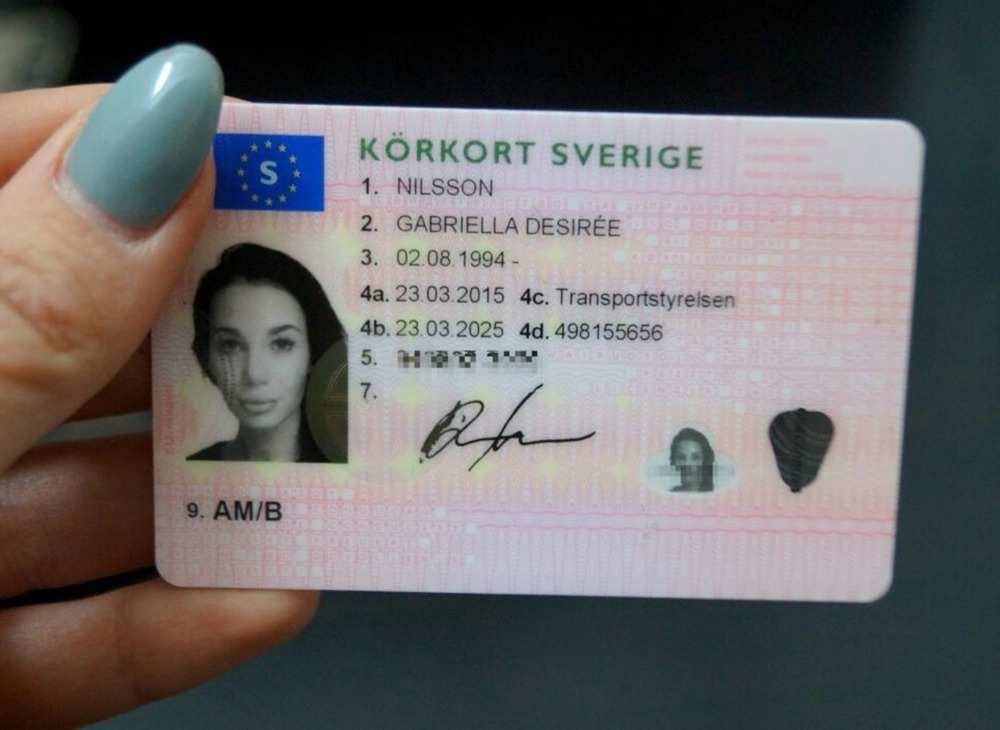
You can work for any firm in the US if you hold an CDL. You can drive locally, regionally, or for a company specializing in the kind of freight you need.
A Class B CDL permits you to operate vehicles designed to carry 16 or more people (including the driver). This type of vehicle is able to drive passenger vans, small trailers or school buses.
A CDL could be the ideal career choice if you like to travel and visit new places. It's a great way to make money while doing something that you enjoy. You can travel whenever you want, and you'll be able to experience areas of the country that the majority of people don't get to experience. Additionally, you'll provide a crucial service to the world and that's something to be proud of.
How do you get a commercial Driver's License
The Federal Motor Carrier Safety Administration does not issue Commercial Driver's Licenses. Instead it falls to each state. You must meet a variety of requirements to obtain the CDL. This includes medical, skills and expertise. You can usually find the CDL manual for your state on the internet or at their field offices. You must then pass the written test for the type and size of truck you want to drive.
After passing the written test, you must pass the road/skills examination. You can schedule an appointment with a DMV-approved tester or a third-party. Bring the necessary documents to pay for your test. You can pay cash or credit card. Bring a valid proof of address. This will be either an ID with a photo or an invoice from a utility company.
If you plan to drive a big vehicle in New York, it is obligatory to have a CDL. You will be transporting items on public roads. You will also need an active driver's license along with your CDL.
You must also be aware of how the wheel loader functions and know how to operate it safely. This will help ensure that you adhere to FMCSA regulations and ensure that other workers are safe. It is also essential to be familiar with the worksite where you are operating the loader. This will enable you to anticipate the working conditions and create contingency plans in case something goes wrong.
If you've met all the requirements above then you can begin your application for the CDL. In the majority of cases, it is necessary to file a report for all states where you held a driver's license within the past 10 years. You will also need to meet the medical examination and legal residency requirements. If you do meet these requirements, then your application won't be considered.
CDL Requirements For Loaders
In addition to finishing their regular CDL application, drivers who want to operate wheel loaders require specialized training and complete the certification process. This training will prepare them to understand the way their machine functions and how to operate it in a hazardous environment. This will enable them to avoid any unnecessary dangers and be able to act in a hazardous situation.
The training will also teach them about safety protocol and how to properly inspect the machine for possible issues. Once they have successfully completed the training, they will be ready to operate the machine and safely transport their loads. Certain CDL training programs may even offer a hands-on practicum where students can use the equipment under the supervision of a certified instructor.
When you apply for the CDL one, it is crucial to check with your local government or the office responsible for state licensing to find out what their requirements are. This is especially true for the transportation of large loads, since some states' laws may differ from federal regulations. A few of the additional requirements could include a drug test, an eye exam, and a current medical certificate.
You can save money on taxes and insurance when you have the proper credentials to transport heavy equipment and machinery. In addition, it can help you find more jobs in your local area. You may even have more options when it comes to locating jobs in the construction industry because companies usually prefer using contractors who have CDLs instead of their own internal drivers.
If you intend to drive a wheel loader across state lines or across state lines, you'll need to get a CDL and obtain the proper endorsements. You could also be fingerprinted and need to undergo a background check in connection with the equipment you carry.
Generally, CDLs are required for all vehicles that weigh more than 26,000 pounds in weight. If you are only planning to haul within the state of New York, you may be able to apply for an exception under the FMCSA's guidelines. However the process is complicated and the rules change from time to time.
CDL Requirements for Trailers
If you're transporting loads using the aid of a trailer, it is important to know whether or not you require a CDL. The Federal Motor Carrier Safety Administration's (FMCSA) regulations are clear, but difficult for drivers to comprehend. Unfortunately, confusion over when a driver does and does not need a CDL results in frustration and even legal issues for the driver.
The FMCSA defines commercial motor vehicles (CMVs) as any vehicle or combination of vehicle(s), that is used to transport cargo for commerce. The GVWR and GCWR of a truck must be greater than 26,001 pounds to be deemed a CMV. This may seem straightforward however it becomes an issue when the governing body offers more specific guidelines on what constitutes "commerce."
In New York State for example the law of the state states that a CDL will be required if the towed part of a vehicle is greater than 10,000 lbs. The state has an GVWR table for trucks and trailers below or above this threshold.
However, the situation can be more complicated if the vehicle and trailer are being employed outside the scope of this definition, especially when they cross state lines. In this case the state is able to create its own laws, and they could be more strict than federal regulations.
A factor that can cause confusion is that some states have CDL laws which differ from federal law. They could also apply these laws to interstate and intrastate travel. The end result is a confusing mix of different state laws that can confuse drivers who need to make sure they have the correct license.
Certain equipment operators may require a special permit in addition to having a CDL to operate their equipment, particularly those operating wheelloaders. This requires that the operator has the skills and experience to safely and efficiently operate the loader. In certain instances the license could also include endorsements for working in hazardous conditions and operating attachments that are specifically designed for use.